You’ve probably seen it in a headline, a video, or a late-night thread: a “Tesla blueprint” that supposedly changes how you think about electricity—often framed as a simple way to reduce reliance on the grid.
And if you’re a DIY-minded person (or just tired of rising utility bills and confusing energy advice), it makes sense that you’d pause.
Because the claim sounds like it could be either:
- a genuinely useful education on how power works, or
- another overhyped idea that skips the details that matter.
This article is your calm, practical filter. No drama, no arguing—just a clear way to evaluate what you’re seeing and decide what’s worth your time.
One Big Idea: Basics first, upgrades second.
Here’s what you’ll learn:
- What the “Tesla blueprint claim” usually points to (and why it’s believable)
- A simple framework for checking it without needing an engineering degree
- A step-by-step checklist to judge any “energy breakthrough” presentation quickly
Next: a quick reality check so you don’t waste time chasing the wrong thing.
Quick Reality Check
The reason “Tesla blueprint” style claims spread fast isn’t because everyone is gullible.
It’s because home energy is genuinely confusing—and most people have never had it explained in a way that feels practical.
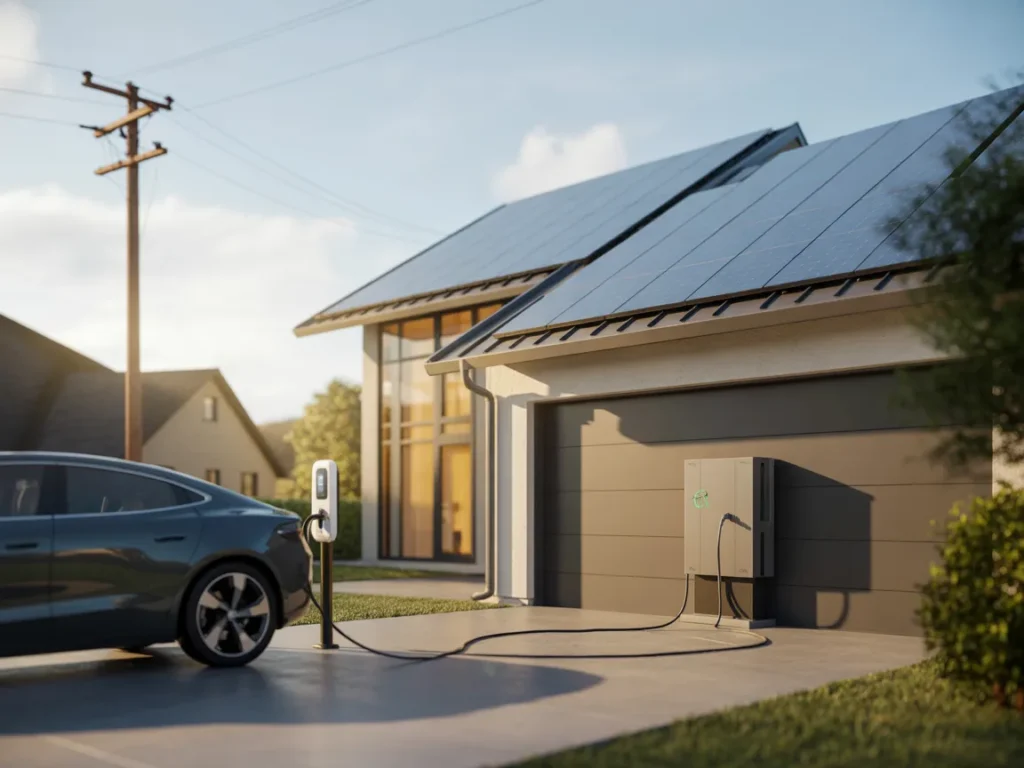
A few common situations that make this topic feel urgent:
- You want to lower electric bills, but every solution feels expensive or technical
- You like the idea of renewable energy, but don’t want to gamble on gear you don’t understand
- You’re curious about off-grid living or backup power, but you don’t know where to start
Also: the words “Tesla,” “blueprint,” and “energy system” trigger a natural assumption that there’s a hidden, elegant concept behind the scenes.
You’re not behind—you just need a simple plan.
Next: the framework that keeps you grounded while you evaluate the claim.
The Core Framework
When you’re checking any “Tesla blueprint claim” (including presentations that hint at a “lost” method or a breakthrough), use this three-part filter:
What matters most (the key variables)
If someone says an energy idea “works,” you need clarity on what “works” means.
Key variables to look for:
- What is the power source? (grid, solar, battery, generator, other)
- What is the output used for? (running devices, lowering use, backup, learning)
- What changes in real life? (more understanding, different setup, different habits)
The basics (core actions)
Most legitimate energy wins start boring:
- measuring usage
- reducing waste
- understanding load vs. supply
- building a plan you can actually follow
If a “Tesla blueprint” style pitch ignores fundamentals, it’s usually a red flag.
The next layer (the upgrade people skip)
Upgrades should come after clarity.
Examples of “next layer” upgrades:
- a clear wiring/layout concept that helps you think about power more simply
- a structured system that helps you assemble a home energy approach step-by-step
- a practical guide that helps you avoid common mistakes when trying DIY energy projects
Basics first, upgrades second prevents you from buying excitement instead of understanding.
Next: a simple, beginner-friendly checklist guide you can use today.
The Step-by-Step Plan
Step 1: Translate the claim into plain language
Most “Tesla blueprint” messaging uses big labels. Your job is to turn it into a simple statement you can test.
Instead of “secret blueprint,” write down what it suggests you’ll be able to do—without the flair.
Checklist:
- Identify the promised outcome (education, setup guidance, new method, etc.)
- Note what type of system it appears to be (training, guide, diagrams, plan)
- Separate “inspiration” words from “how-to” words
- Look for what it’s actually about: power generation, power management, or energy education
- Write a one-sentence summary you could explain to a friend
Do this now: Write the claim in one sentence without using the word “Tesla.”
Step 2: Identify whether it’s education or equipment
A lot of misunderstandings come from expecting a physical device when the offer is actually a guide—or expecting a guide when it’s actually pushing hardware.
Many people believe the Tesla blueprint claim because they assume it’s a tangible thing. It might not be.
Checklist:
- Does it clearly say it’s a guide/system/training or a physical product?
- Does it mention learning, plans, or step-by-step instruction?
- Does it appear focused on understanding electricity and home energy?
- Do you see emphasis on “presentation” and “what you’ll discover” rather than shipping?
- Does the language suggest DIY learning rather than plug-and-play?
Do this now: Decide which bucket it fits—education or equipment—before you judge it.
Step 3: Look for a structured walkthrough, not just ideas
Here’s where trust is built: structure.
A credible energy walkthrough typically explains what you’ll see, how it’s organized, and what it contains—without demanding belief upfront.
Checklist:
- Is there a clear explanation of what the system is meant to teach?
- Do you see a logical sequence (foundation → build → refine)?
- Are “how it works” and “what’s included” addressed clearly?
- Does it sound like it’s trying to create understanding (not just excitement)?
- Is it designed for regular people, not engineers?
Do this now: Only continue if you can tell what you’ll be learning (or building) in practical terms.
Step 4: Check for reality anchors you can verify at home
You don’t need lab gear to sanity-check energy content. You need simple anchors.
Reality anchors look like:
- acknowledging that home energy has limits and variables
- focusing on understanding and planning, not miracles
- teaching you to think clearly about electricity and usage
Checklist:
- Does it talk about electricity in a way that connects to real household use?
- Does it encourage learning and clarity instead of “overnight change”?
- Does it avoid vague “unlimited power” style claims?
- Does it sound like a method you could apply calmly over time?
- Does it fit your goals (lower usage, backup readiness, self-sufficiency learning)?
Do this now: Match the content to a real-life goal you actually have.
Step 5: Decide what “success” would look like for you
This step prevents disappointment.
If what you want is “I understand my home energy options and have a plan,” a good presentation can be useful.
If what you want is “a magic box that replaces the grid,” you’ll likely be frustrated no matter what you watch.
Checklist:
- Define your priority: lower bills, learn DIY energy, resilience, off-grid curiosity
- Define your constraints: time, skill, space, local rules, budget comfort
- Decide what you won’t do (major remodel, complex wiring, etc.)
- Pick a timeframe for learning: weekend overview vs. deeper project
- Write down your “minimum win” (what would make it worth watching)
Do this now: Define your minimum win in one sentence (example: “Understand the method and whether it fits my DIY level”).
Step 6: Use one final filter before you invest your attention
Time is a cost. Attention is a cost.
Before you watch any long presentation about The Tesla Blueprint Claim: Why People Believe It (And What to Check First), use this final filter: Does it promise clarity, or does it demand belief?
Checklist:
- Does it invite you to evaluate rather than pressure you to accept?
- Does it emphasize explanation (“how it works”)?
- Is it calm in tone, or does it rely on intensity?
- Does it feel like it’s trying to educate first?
- Can you decide after watching whether it fits you?
Do this now: Choose a resource that prioritizes understanding over hype.
Next: the most common mistakes people make when evaluating a “Tesla blueprint” claim.
Common Mistakes
Mistake 1: Treating a “blueprint” as a finished device
Why it happens: “Blueprint” sounds like you’re getting a machine, not a method.
Simple fix: Assume it may be a learning system first, then look for what it teaches and how it’s structured.
Mistake 2: Skipping the basics of household energy use
Why it happens: Basics feel boring compared to breakthroughs.
Simple fix: Start with usage awareness and a simple plan—upgrades make more sense after.
Mistake 3: Expecting one solution to fit every home
Why it happens: It’s tempting to want a universal answer.
Simple fix: Keep your goal specific (bill reduction, DIY learning, resilience) and judge content through that lens.
Mistake 4: Confusing “interesting history” with “practical guidance”
Why it happens: Tesla lore is compelling, and stories feel persuasive.
Simple fix: Look for actionable steps, not just narrative.
Mistake 5: Overthinking the tech and underthinking the workflow
Why it happens: Electricity feels intimidating, so people chase complexity.
Simple fix: Choose resources that walk you through a clear process you can follow.
Mistake 6: Deciding too early based on headlines alone
Why it happens: Headlines are designed to trigger curiosity or skepticism fast.
Simple fix: Evaluate what the presentation actually explains, what’s included, and whether it fits your level.
Next: compare the main approaches people take so you can choose what fits your DIY style.
Options Comparison
Option 1: Ignore the claim entirely and do nothing
Best for: People who are already satisfied with their energy costs and setup.
Pros:
- No time investment
- No mental bandwidth spent
- No risk of chasing confusing ideas
Cons: - You may miss useful education
- You stay dependent on your current understanding
Option 2: Learn from free videos and forums
Best for: DIY Enthusiasts who enjoy researching and don’t mind conflicting opinions.
Pros:
- Free and abundant information
- Wide range of perspectives
- Great for brainstorming ideas
Cons: - Often lacks a clear step-by-step structure
- Easy to get overwhelmed or stuck in rabbit holes
- Hard to know what applies to your home
Option 3: Use a structured guide/system that explains the concept
Best for: DIY Enthusiasts who want a walkthrough and clearer organization.
Pros:
- More organized learning path
- Helps reduce confusion
- Easier to evaluate “how it works” and “what’s included”
Cons: - You still need to pay attention and follow steps
- Not everyone wants structured learning
Option 4: Hire an expert/installer for a custom solution
Best for: People who want hands-on help and prefer not to DIY.
Pros:
- Personalized recommendations
- Saves time
- Professional experience can reduce mistakes
Cons: - Can be expensive
- You may still not learn the “why” behind the setup
- Availability and quality vary
Option 5: Buy equipment first and figure it out later
Best for: People who already know exactly what they need.
Pros:
- Fast path if you’re experienced
- Can be satisfying for confident builders
Cons: - Easy to waste money on mismatched components
- Confusion increases without a method
- Mistakes can be frustrating and time-consuming
Which option should you pick?
If you’re a DIY Enthusiast, the sweet spot is usually: learn the basics with a clear structure, then decide on upgrades. If you’re short on time, a structured walkthrough beats scattered browsing. If you’re highly technical and love experimenting, free resources may work—but you’ll need a stronger filter to avoid overload.
Next: a helpful resource to evaluate if you want a clearer walkthrough tied to the “Tesla blueprint” idea.
Resources
If you’ve been looking into The Tesla Blueprint Claim: Why People Believe It (And What to Check First), it helps to see a presentation that lays out the idea in an organized way—so you can judge it without guessing.
The resource below is presented as the Energy Revolution System. Rather than asking you to take anything on faith, the useful part is being able to watch the presentation and see what it’s about, how it explains the concept, and what’s included.
Even if you don’t end up going further, a clear walkthrough can help you:
- separate “cool story” from “practical method”
- understand whether it matches your DIY comfort level
- decide your next step with less noise
You’ll see how it works, what’s included, and whether it fits you.
SEE THE FULL PRESENTATION
If you want the cleanest way to evaluate the claim without chasing random clips, the next step is simply to watch the presentation and compare it to the checklist you just used.
In the presentation, you’ll see:
- how the Energy Revolution System is explained
- what the system includes and how it’s meant to be used
- whether the approach is a fit for your goals and DIY style
Objection Handling FAQ
This sounds technical—does it require an engineering background?
If you can follow a step-by-step explanation, you can evaluate it. The key is focusing on the structure and clarity of what’s presented, not trying to “prove” everything instantly.
Is this beginner-friendly for someone new to DIY energy?
Use the checklist: if the presentation clearly shows how it works and what’s included, you’ll quickly see whether it’s designed for beginners or assumes prior knowledge.
How long does it take to know if it’s worth my time?
Usually you’ll know early whether it’s delivering clear explanations or just headlines. Watch with your “plain language summary” next to you and see if it answers it.
Do I need special tools or equipment?
Before assuming anything, confirm whether it’s presented as a guide/system or a physical setup. The presentation should clarify what it is and how it’s used.
Will this work for every home and every situation?
No single approach fits every home, goal, and comfort level. The best outcome is clarity: understanding whether the method matches your constraints.
Is this just marketing with a famous Tesla name attached?
That’s a fair concern. The clean way to handle it is to ignore the name and evaluate the actual content: what it teaches, how it’s structured, and what you can do with it.
I’m busy—what if I don’t have time to go deep?
Then prioritize “basics first, upgrades second.” You’re looking for a clear overview that helps you decide what’s worth deeper effort later.
What if I’m mainly interested in lowering my power use, not going off-grid?
That’s still a valid goal. Focus on whether the presentation helps you understand electricity and home energy decisions more clearly, even if you never change your whole setup.
Mini Summary + Action Plan
Use this simple plan to stay grounded while evaluating The Tesla Blueprint Claim: Why People Believe It (And What to Check First):
Clarify the claim in plain language (no buzzwords)
Separate education (a system/guide) from equipment (a device/setup)
Look for a structured walkthrough that explains how it works and what’s included
Define your minimum win before you invest time
Re-check your goal after you watch (clarity, plan, next step)
Upgrade only after basics (don’t buy complexity first)
Choose the “next layer” that fits your time, skill, and interest
Basics first, upgrades second—because clarity comes before commitment.
Conclusion
The reason The Tesla Blueprint Claim: Why People Believe It (And What to Check First) keeps circulating is simple: people want an explanation of energy that feels empowering, not overwhelming.
Your advantage isn’t blind belief or instant skepticism.
It’s using a calm filter: translate the claim, check if it’s a structured system, look for reality anchors, and decide what “success” means for you.
If you want to evaluate the idea with less noise, the most practical next step is to watch the Energy Revolution System presentation with the checklist above beside you. You can decide after watching whether it fits your DIY style and goals.
SEE THE FULL PRESENTATION HERE