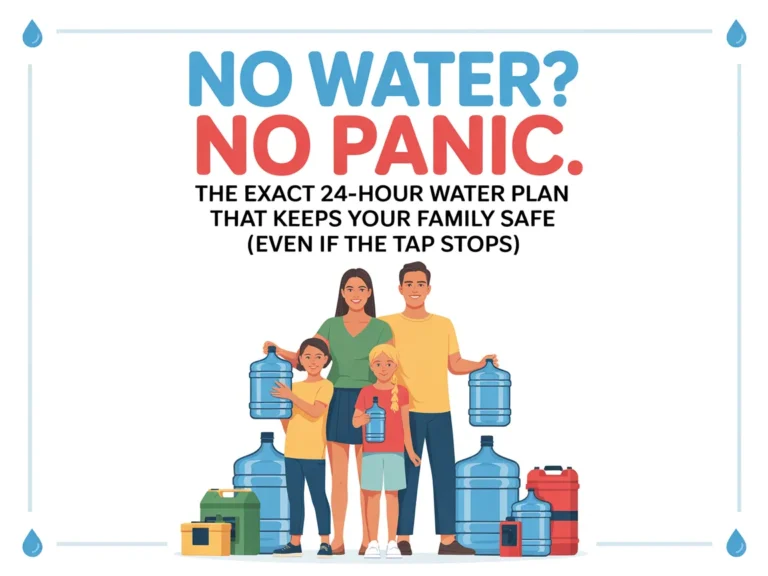
Picture this: you wake up, turn the faucet… and nothing comes out.
No warning. No drip. Just silence. Maybe it’s a main break down the street, a storm that knocked out power, or a boil notice that turns “normal” tap water into something you can’t rely on today.
In that moment, you don’t need a 40-page emergency manual. You need a calm, clear 24-hour water plan you can actually follow—especially with kids, pets, work, and everything else happening.
Simple beats complicated.
In this guide, you’ll learn:
- How to estimate what your household really needs for 24 hours (without overthinking it)
- The exact steps to secure drinking, cooking, and basic hygiene water fast
- The “next layer” most families forget—so they’re not right back in the same panic tomorrow
Next: a quick reality check so you can stop guessing and start acting.
Quick Reality Check
Water interruptions are more common than people expect. It’s not always “doomsday”—it’s usually boring, local, and inconvenient… until it isn’t.
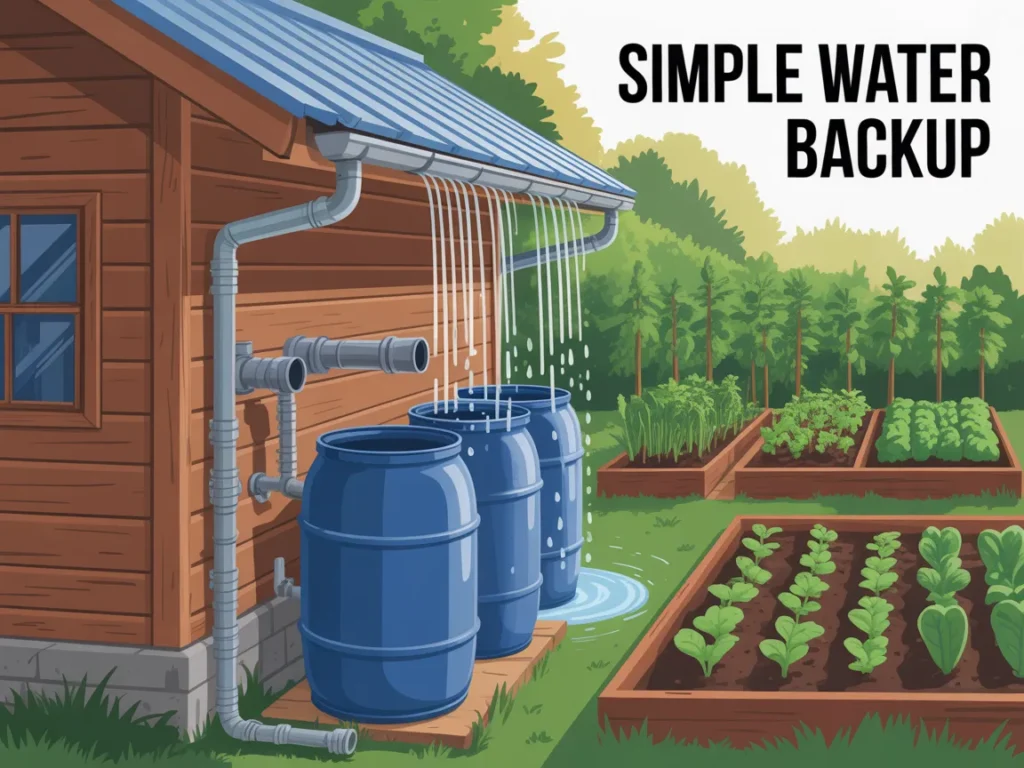
A few normal ways this hits real households:
- A water main break shuts off service for half a day (or longer)
- A boil-water advisory makes the tap “on” but not truly usable
- A power outage stops well pumps or building pumps even if water lines are intact
And the frustrations stack quickly:
- You don’t know how much to store—or where to put it
- You’re unsure what’s safe for drinking water vs. cleaning
- You realize too late your “backup” is a couple of half-empty bottles in the fridge
You’re not behind—you just need a simple plan.
Next: the core framework that keeps this easy even under stress.
The Core Framework
A 24-hour water plan works best when you separate it into three layers. This keeps you from getting stuck researching filters, containers, and tactics while your family is waiting.
1) What matters most (the key variables)
You’re solving for a few practical things:
- People + pets: how many mouths, and any special needs (babies, medications)
- Time horizon: 24 hours now, but with a path to extend if needed
- Water uses: drinking, basic food prep, and minimal hygiene
When the tap stops, you’re not trying to live perfectly. You’re trying to stay stable.
2) The basics (core actions)
Basics are the fast wins:
- Secure water you already have (in the house)
- Redirect water you can safely collect
- Set simple rules so the household doesn’t accidentally waste it
3) The “next layer” (the upgrade people skip)
Most families can handle day one with bottled water.
What they skip is the upgrade that makes it sustainable:
- A way to store and dispense water neatly (not in random bottles)
- A way to treat questionable water (if you’re forced to use it)
- A way to create repeatable calm instead of one-time scrambling
Example: “We have enough for today” is good. “We have a system we can repeat tomorrow” is better.
Next: the exact step-by-step plan for your first 24 hours.
The Step-by-Step Plan
This is a Checklist Guide designed for real households. Keep it simple, do it in order, and don’t aim for perfect.
Step 1: Confirm the situation and set the “water rules”
Before you start hauling containers, take two minutes to confirm what’s happening. Is it a shutoff? A boil notice? A localized plumbing issue?
Then set household rules immediately—because the fastest way to run out is “everyone doing their own thing.”
Checklist
- Check your utility alert, local notice, or building message (if available)
- Ask a neighbor if they’re also out (rules out your own plumbing issue)
- Decide: No tap use unless you confirm it’s safe
- Assign one person to manage water for the day (even if it’s you)
- Set a “water station” area (kitchen counter works)
Do this now: Tell everyone in the house the plan: “We’re conserving—use the water station only.”
Step 2: Count heads and create a 24-hour target
You don’t need a complex formula. You need a target that prevents accidental shortages.
Think in categories:
- Drinking water
- Simple food prep (coffee/tea, oatmeal, reheating)
- Bare-minimum hygiene (hand washing, brushing teeth)
If you undercount, you get stressed later. If you overcount wildly, you waste time and space. Aim for “enough + a little buffer.”
Checklist
- Write down the number of adults, kids, and pets
- Note special needs (baby formula, medical needs, extra hydration)
- Choose simple meals that use minimal water today
- Decide what hygiene is “essential only” for 24 hours
- Create a one-page note: “This is our 24-hour goal”
Do this now: Write your 24-hour water goal on paper and put it on the fridge.
Step 3: Secure what you already have inside the house
Most homes have more usable water than people realize—even with the tap off. The key is to collect it before it’s spilled, used, or contaminated.
Start with the obvious, then move to the overlooked.
Checklist
- Gather all bottled water, seltzers, and sealed drinks (even pantry/back of fridge)
- Fill clean containers with any remaining safe tap water if flow is still available
- Check ice trays/ice maker (melted ice can be usable for non-drinking tasks if needed)
- Set aside “clean drinking only” containers separate from cleaning water
- Label containers: DRINKING vs. HYGIENE/CLEANING
Do this now: Create two zones: “drink-only” and “everything-else” water.
Step 4: Build a simple “use plan” for the next 24 hours
People don’t run out of water because they had none. They run out because they didn’t decide how it would be used.
This is where calm returns—because you’re turning water into a schedule.
Checklist
- Allocate drinking water by time blocks (morning/afternoon/evening)
- Plan meals that don’t require lots of dishwashing
- Use disposable plates if you have them (or one “family pot” meal)
- Set a hand-washing method: small pour + soap + minimal rinse
- Decide what gets skipped for 24 hours (laundry, long showers, etc.)
Do this now: Choose today’s meals based on “lowest water mess.”
Step 5: Create your “next layer” so tomorrow is easier
Once today is stable, you want a way to avoid repeating the same scramble the next time.
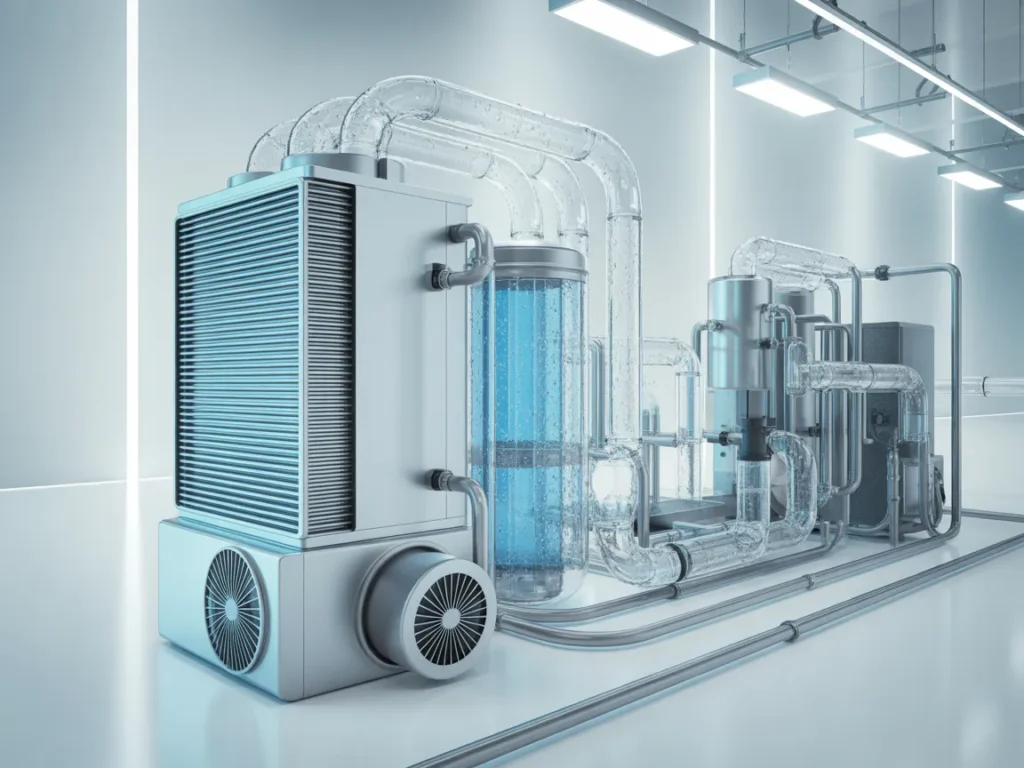
This is where families start looking for a practical water storage and water purification approach that fits their space and comfort level.
Not everyone wants a complicated setup. Many homeowners want something that:
- Stores a meaningful amount in a small footprint
- Dispenses easily (so it gets used, rotated, and doesn’t become clutter)
- Helps you feel confident about backup water quality
Checklist
- Decide where a water solution would live (kitchen, pantry, garage)
- Decide what matters most: storage capacity, portability, ease of dispensing
- Identify your likely scenarios: outage, boil notice, storm, well pump outage
- Write down what you don’t want (heavy lifting, messy jugs, complex parts)
- Make a short list of products/resources to review when calm
Do this now: Pick one spot in your home where a dedicated water backup setup could live.
Next: the mistakes that quietly ruin otherwise good water plans.
Common Mistakes
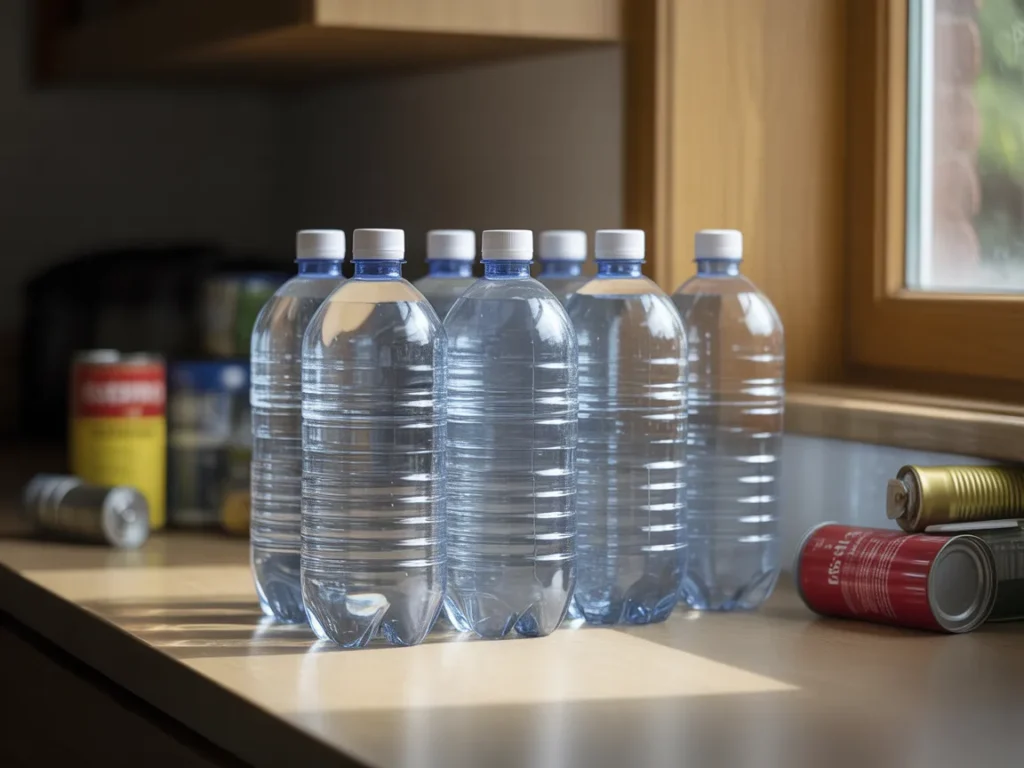
Waiting too long to collect what’s available
Why it happens: People assume it’ll be back in an hour. Then it isn’t.
Simple fix: Collect and label water immediately—then adjust if service returns.Mixing drinking water with cleaning water
Why it happens: In a rush, everything goes into whatever container is nearby.
Simple fix: Label containers “drink only” and keep them separate.Planning meals that create a dishwashing disaster
Why it happens: Stress leads to comfort cooking, which often uses more water.
Simple fix: Choose low-water meals for 24 hours—one-pot, minimal dishes.Forgetting pets (and pet hygiene cleanup)
Why it happens: Humans are the focus, and pets seem “fine” until they aren’t.
Simple fix: Set aside pet water first and plan for cleanup needs.Relying on random small bottles scattered everywhere
Why it happens: It feels like a backup… until you’re hunting 12 half-bottles at night.
Simple fix: Centralize water into a single “water station” setup.No plan beyond day one
Why it happens: Most people solve “now,” not “tomorrow,” especially when busy.
Simple fix: After you stabilize 24 hours, choose a repeatable backup method.
Next: compare your realistic options so you can pick what fits your family.
Options Comparison
Below are five common approaches families use when the tap stops. Each has tradeoffs—space, effort, and confidence.
Option 1: Bottled water only
Best for: Quick, short interruptions; minimal planning.
Pros
- Easy to understand and use
- No setup required
- Portable and familiar
Cons
- Runs out fast in larger households
- Storage gets bulky
- Rotation/organization is often neglected
Option 2: Filled containers/jugs (DIY water storage)
Best for: Families who want low-cost storage and can stay organized.
Pros
- Flexible: use what you already have
- Can store more than just bottles
- Good as a starting layer
Cons
- Can be heavy and awkward to pour
- Easy to contaminate if containers aren’t clean
- Often messy and inconvenient day-to-day
Option 3: Boiling water (when you still have power/heat)
Best for: Boil advisories; treating smaller amounts for cooking.
Pros
- Straightforward method most people know
- Works with common kitchen gear
- Good for short-term use
Cons
- Requires time and fuel/power
- Not ideal for large volumes
- Doesn’t solve clean storage/dispensing
Option 4: Basic filters (pitchers, small countertop filters, portable)
Best for: Improving taste/clarity when water supply is available but questionable.
Pros
- Familiar and easy to use
- Convenient for everyday use
- Lightweight options exist
Cons
- Varies widely by model and what it can handle
- Limited capacity for outages
- Still needs storage planning
Option 5: Purpose-built storage + treatment system (ready-to-use setup)
Best for: Homeowners and families who want a repeatable, organized backup plan.
Pros
- Centralized “water station” feel (less scrambling)
- Built for storing and dispensing in one place
- Helps you move from panic to routine
Cons
- Requires choosing a specific system that fits your space
- You still need to learn how to use it properly
- Not everyone wants gear in the home
Which option should you pick?
If you’re a family household, the best choice usually depends on space, how many people you support, and how much time you want to spend managing water. Bottles alone can cover tiny interruptions, but they’re easy to outgrow. DIY jugs work if you’re consistent. Many homeowners prefer a dedicated setup that keeps water organized and usable without turning the pantry into chaos.
Next: a resource that walks through one of the more “ready” approaches in a clear way.
Resources
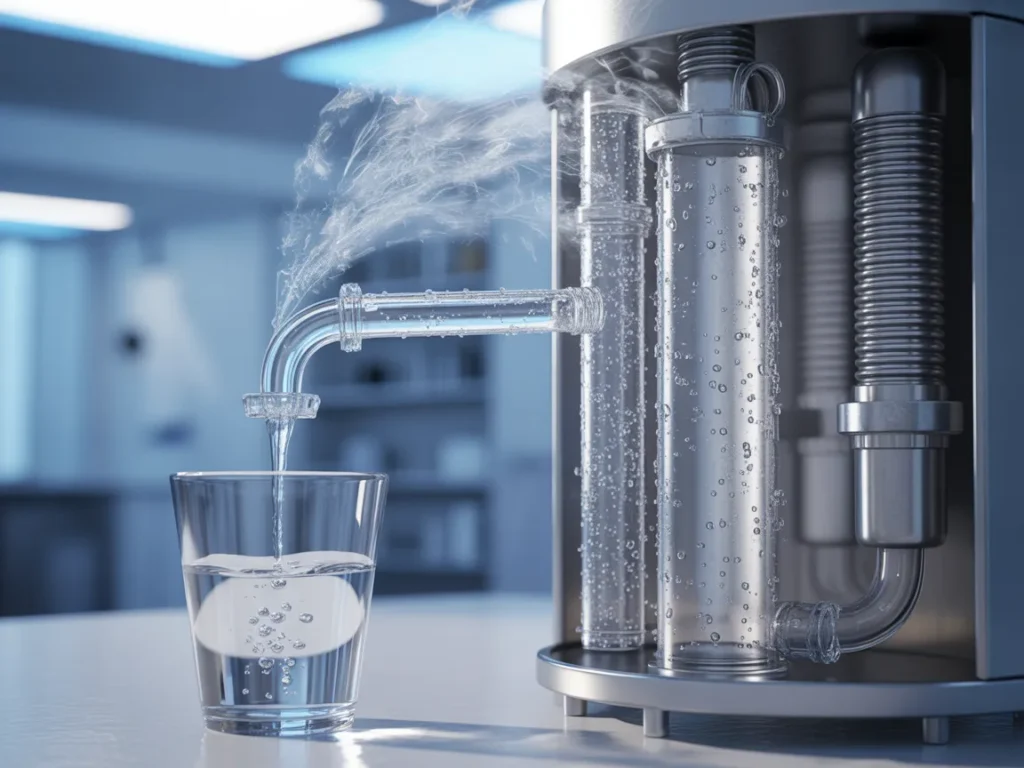
If you’ve ever tried to research emergency water, you’ve probably noticed how fast it gets confusing: containers, filters, purification, storage, dispensing, maintenance.
A clearer way is to watch a single walkthrough that shows you a complete setup and lets you decide if it matches your home.
That’s why some families look at Aqua Tower, which presents a specific approach to storing and dispensing water in a more organized, ready-to-use way.
You don’t have to buy anything to benefit from seeing the presentation. You’ll see how it works, what’s included, and whether it fits your household and space.
SEE THE FULL PRESENTATION HERE
If you want to move from “random bottles and guessing” to a more organized backup plan, the next step is simply to watch the full Aqua Tower presentation and see the system for yourself.
In the presentation, you’ll see:
- How the Aqua Tower approach is set up for water storage and dispensing
- What’s included in the system (so you can judge complexity and fit)
- How it’s intended to be used as a practical household water backup
FAQ
Beginner-friendly fit
Is this beginner-friendly if I’ve never done any emergency prep?
Yes—this whole 24-hour plan is designed for beginners. The Aqua Tower presentation is also meant to show a complete setup clearly so you can decide without getting lost in research.
How long does it take to put a 24-hour plan in place?
You can stabilize the first day quickly by collecting what you have, labeling it, and setting household rules. The “next layer” takes longer, but you can evaluate options in one sitting.
Do I need special tools or DIY skills?
Not for the steps in the plan above. If you explore a purpose-built system like Aqua Tower, the presentation will clarify what it involves and whether it’s something you’re comfortable using at home.
Household logistics
What if I live in a smaller home or apartment with limited storage space?
Space matters. Focus on centralized, tidy storage and a dedicated “water station” area rather than scattered bottles.
What about pets—do I plan differently?
Only in the sense that you should allocate pet water early and don’t forget cleanup needs. Treat pet water as part of your essentials.
Safety and practicality
Can I just use pool water or other outdoor water in an emergency?
Be cautious—different water sources require different treatment methods. This guide keeps things practical for the first 24 hours; if you’re considering treatment systems, rely on clear instructions from the specific solution you choose.
What if my tap works but there’s a boil notice?
You still need a plan. Separate “possibly usable” water from confirmed drinkable water, and simplify meals to reduce water use.
Is bottled water enough for a family?
Sometimes, for short interruptions. But families often find it’s easy to underestimate needs and hard to keep it organized—hence the value of a more repeatable backup setup.
Mini Summary + Action Plan
Keep this simple and repeatable:
Basics: Confirm the situation and set household water rules immediately
Basics: Count heads (including pets) and set a 24-hour target
Basics: Centralize supplies into a labeled “water station”
Maintenance: Allocate water by time block so you don’t “accidentally” run out
Maintenance: Plan low-water meals to reduce dishwashing and mess
Next layer: Choose a dedicated space for water storage and dispensing
Next layer: Evaluate a complete system walkthrough so you’re not piecing together random gear
The point is not perfection—it’s reliability. Simple beats complicated, especially when the tap stops.
Conclusion
The fastest way to turn “No Water? No Panic. The Exact 24-Hour Water Plan That Keeps Your Family Safe (Even If the Tap Stops)” from a nice idea into real peace of mind is to do two things: stabilize the next 24 hours, then create a repeatable setup you won’t dread maintaining.
Because when water becomes uncertain, the win isn’t having the fanciest gear. It’s knowing exactly what to do—calmly—while everyone else is still guessing.
If you want to see a more organized household approach to water storage and dispensing, the Aqua Tower presentation is a practical next watch. You can decide after you’ve seen how it works and what’s included.
SEE THE FULL PRESENTATION HERE